Source Stunt Landing Inflatable Airbag for Stunts, Parks, and Events
Find 30 stunt landing inflatable airbag options for stunt training, amusement parks, and community events. Compare sizes, materials, and customization features to select the right safety equipment for your needs; compare the available evidence and request quotations based on your requirements.
Key considerations
Products List




Comprehensive Sourcing Guide
Stunt Landing Inflatable Airbag Sourcing Guide
Procuring stunt landing inflatable airbags requires a disciplined approach to balancing safety performance with logistical feasibility. These specialized safety devices are engineered to absorb high-impact energy during acrobatic, theatrical, or extreme sports activities, providing a critical cushion for performers and athletes. Buyers must recognize that while the core function is protection, the specific engineering parameters vary significantly based on the intended use case, whether it involves high-altitude free falls or ground-level stunt jumps. Understanding these nuances is essential for selecting the right product that meets both operational demands and regulatory requirements.
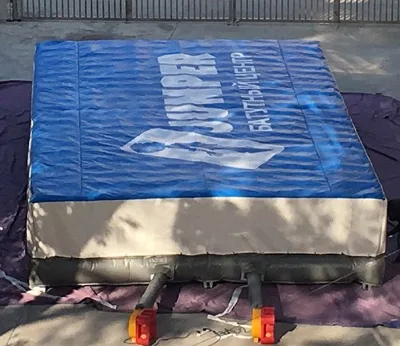
The market for these inflatables is characterized by a wide range of customization options and varying material compositions. Suppliers often offer models with specific dimensions, such as 7.09x3.39x1.2 meters or larger variants like 8.34x4.49x1.5 meters, alongside fully customizable sizes to fit unique venue constraints. Materials typically include heavy-duty PVC or tarpaulin, with some specialized applications utilizing natural rubber for specific durability needs. Buyers should prioritize suppliers who provide comprehensive OEM services, including custom design, color matching, and logo printing, to ensure the equipment integrates seamlessly into their brand identity and operational environment.
Product Scope and Observed Listing Signals
The current market landscape for stunt landing inflatables reveals a diverse array of product listings that cater to different operational scales. Observed data indicates a price range from approximately $40 to over $33,000, reflecting the vast difference between small, portable units and large, industrial-grade systems. The minimum order quantity is consistently observed at one piece, suggesting that suppliers are flexible and willing to accommodate single-unit purchases for testing or small-scale events. This flexibility allows buyers to procure samples or initial units without committing to large inventory volumes, reducing upfront financial risk during the evaluation phase.
Product names and descriptions often highlight key features such as included blowers, specific model numbers like IS-612 or IS-702, and distinct applications ranging from amusement parks to cargo handling simulations. Some listings emphasize environmental friendliness or specific usage scenarios like community events, while others focus on heavy-duty applications such as ship launching or salvaging operations. Buyers should carefully cross-reference these descriptive signals with technical specifications to ensure the product aligns with their actual safety requirements. The presence of strong PVC bags or carton packaging indicates attention to transport protection, which is crucial for maintaining the integrity of the inflatable during shipping.
Technical Specifications to Verify
Verifying technical specifications is paramount to ensuring the airbag performs as expected under stress. Buyers must confirm the exact dimensions, such as 4.5x4.5x1 meter or 5.7x5.7x1.3 meter configurations, as these directly impact the landing zone safety margin. The material composition, whether PVC, tarpaulin, or natural rubber, dictates durability, air retention, and impact absorption capabilities. It is essential to verify the weight of the unit, which can range from 200 to 249 kilograms for larger models, as this affects handling, setup time, and structural stability during inflation. Incorrect material or size selection can lead to inadequate protection or logistical challenges during deployment.
Additional technical details include the inclusion of blowers, which are critical for maintaining constant pressure during use, and the specific model identifiers that help in tracking spare parts and maintenance requirements. Buyers should also inquire about the production time, which typically ranges from 7 to 15 days, to align procurement schedules with event timelines. The customization options for color and design should be confirmed early in the process to avoid delays. Understanding these technical parameters ensures that the selected airbag meets the physical demands of the stunt or activity, providing a reliable safety net for participants.
Compliance and Safety Documentation
Compliance with international safety standards is non-negotiable for stunt landing inflatables, given the high-risk nature of their application. Buyers must verify that the product holds relevant certifications, such as CE, which indicates conformity with health, safety, and environmental protection standards for products sold within the European Economic Area. Other standards like EN71, ROHS, UL, and SGS may also be relevant depending on the target market and specific use case. These certifications provide assurance that the materials and construction methods have undergone rigorous testing for toxicity, flammability, and structural integrity, reducing liability risks for the operator.
Documentation should also include detailed test results and compliance reports that demonstrate the airbag’s ability to withstand specific impact forces. Buyers should request evidence of adherence to standards such as CB/T3837 or ISO 14409:2011, if applicable to the specific application, to ensure global compatibility. It is crucial to verify that the supplier provides clear instructions for setup, operation, and maintenance, which are integral to maintaining safety standards over the product’s lifecycle. Proper documentation not only ensures legal compliance but also builds trust with end-users and insurance providers, facilitating smoother operations and risk management.
Cost Drivers and Commercial Terms
Understanding the cost drivers behind stunt landing inflatable airbags helps buyers make informed financial decisions. The price variation is influenced by factors such as material quality, size, customization complexity, and the inclusion of accessories like blowers. Larger units with custom dimensions and heavy-duty materials naturally command higher prices, while standard sizes may offer more competitive rates. Buyers should negotiate pricing based on volume, although the observed MOQ of one piece suggests that unit pricing is the primary focus. It is advisable to request detailed quotes that break down costs for materials, labor, and shipping to identify potential savings or areas for negotiation.
Commercial terms, including payment methods and delivery options, also play a significant role in the total cost of ownership. Common payment terms include T/T and L/C, offering flexibility for international transactions. Delivery methods range from express couriers like FedEx and DHL to air and sea freight, each with different cost and time implications. Buyers should consider the urgency of their needs and the weight of the product, which can exceed 200 kilograms, when selecting a shipping method. Clear agreement on delivery times, typically around 15 days for production, and packing methods, such as strong PVC bags or cartons, ensures a smooth transaction and minimizes unexpected expenses.
Supplier Qualification and Quality Control
Evaluating supplier qualification is essential to ensure the reliability and safety of the purchased airbags. Buyers should verify the supplier’s manufacturing capabilities, including their experience in producing inflatable safety equipment and their adherence to quality control processes. Suppliers located in regions like Guangzhou, China, often have established supply chains and expertise in PVC and tarpaulin manufacturing, which can be advantageous for sourcing high-quality products. It is important to check for OEM service capabilities, as this indicates the supplier’s ability to customize products to specific requirements, including design, color, and logo printing.
Quality control measures should be explicitly discussed, including pre-production samples and final inspections before shipment. Buyers should request evidence of consistent production quality, such as batch testing results or quality assurance certificates. The ability to accept samples is a positive indicator, allowing buyers to physically inspect the product’s material, stitching, and overall construction before committing to a larger order. Establishing a clear communication channel with the supplier for addressing any quality concerns post-delivery is also crucial. A qualified supplier will provide transparent information about their production process and be willing to accommodate reasonable quality checks.
Long-Term Procurement Checks
Long-term procurement success depends on establishing a sustainable relationship with suppliers and implementing ongoing quality monitoring. Buyers should conduct periodic reviews of supplier performance, focusing on delivery times, product consistency, and responsiveness to issues. Regular communication helps in staying updated on new product developments or improvements in material technology that could enhance safety or durability. It is also advisable to maintain a record of all certifications and compliance documents, ensuring they remain valid and up-to-date as regulations evolve. This proactive approach minimizes the risk of non-compliance and ensures continuous safety standards.
Additionally, buyers should plan for maintenance and spare parts availability to extend the lifespan of the inflatable airbags. Understanding the warranty terms and after-sales support provided by the supplier is crucial for long-term cost management. Buyers should also consider the environmental impact of the materials used, opting for suppliers who prioritize eco-friendly practices where possible. By focusing on these long-term factors, buyers can ensure that their investment in stunt landing inflatable airbags yields consistent safety performance and operational efficiency over time, supporting the overall success of their events or facilities.
FAQs
What are the standard sizes for stunt landing inflatable airbags?
Standard sizes include 7.09x3.39x1.2 meters and 8.34x4.49x1.5 meters. These dimensions provide adequate cushioning for high-impact stunts. Buyers can also request customized dimensions to fit specific venue constraints or performance requirements. The product model IS-612 and IS-613 represent common configurations available for immediate procurement.
Can I customize the color and logo on the airbag?
Yes, customization is available for color and logo printing. The OEM service allows buyers to specify unique designs to match brand identity. This feature ensures the airbag aligns with promotional needs or event themes. Custom designs are supported alongside standard options, providing flexibility for diverse commercial applications.
What certifications do these inflatable airbags hold?
Certifications include CE, EN71, ROHS, UL, and SGS. These standards ensure safety and quality compliance for international markets. The CE mark indicates conformity with health, safety, and environmental protection standards. Buyers should verify specific certification requirements based on their target region and regulatory obligations.
How long is the production time for custom orders?
Production time typically ranges from 7 to 15 days. This duration covers manufacturing, quality checks, and preparation for shipment. Custom orders may require additional time depending on design complexity. Buyers should plan logistics accordingly to ensure timely delivery for scheduled events or installations.
Is the blower included with the inflatable airbag?
Yes, the blower is included with the inflatable airbag. This ensures immediate usability upon setup without needing separate equipment purchases. The integrated system simplifies operation for event organizers and stunt coordinators. Buyers receive a complete package ready for deployment in parks or amusement facilities.
What is the minimum order quantity for these airbags?
The minimum order quantity is one piece. This low MOQ allows buyers to test products or purchase single units for specific projects. It reduces financial risk for new clients exploring inflatable safety equipment. Bulk orders are also supported for larger commercial deployments or resale purposes.